January brings fresh starts and planning energy. Tax returns arrive soon, bonuses hit accounts, and homeowners across Concord start thinking about those projects they’ve been postponing. The difference between homes that get upgraded and homes that stay on the wish list? Planning now instead of waiting until everyone else realizes spring is here.
Our schedule for March through May started filling in mid-December. Homeowners in Highland Creek, Afton Village, and Poplar Tent who planned early locked in preferred dates and avoided the peak-season price increases that hit once demand spikes. By the time April arrives and everyone wants outdoor work done simultaneously, availability narrows and costs climb 15-25% above January quotes.
Smart planning means better pricing, preferred scheduling, and project completion before the rush. Here’s what Concord homeowners are requesting most for 2026, what actually pays back at resale, and how to schedule work for maximum value.
Why January Planning Matters in Concord
Spring project schedules fill faster than most homeowners expect. By mid-February, prime March and April slots for deck construction, exterior painting, and major renovations are spoken for. Contractors book work 8-12 weeks out during peak season, which means calling in April for May work often means waiting until June or July.
Material lead times factor heavily into project timelines. Custom cabinets require 6-8 weeks from order to delivery. Special-order windows take 4-6 weeks. Unique tile selections or specific fixture finishes add weeks to schedules. Planning in January allows time for these lead times without pushing project completion into less favorable weather or scheduling conflicts.
Weather windows matter tremendously for exterior work. March through May offers ideal conditions before summer heat makes outdoor labor miserable. September and October provide the fall alternative, but that’s only 6-8 weeks total. Miss those windows and you’re working in 95-degree July heat or waiting until autumn. A homeowner in Highland Creek learned this last year when they waited until March to start planning their deck project. By the time quotes came back and decisions got made, we couldn’t start until late May. June thunderstorms delayed work repeatedly, and the project that should have finished in four weeks stretched to seven.
The Cost of Waiting Until Spring
Peak season pricing reflects simple supply and demand. When every contractor in Concord is booked solid, rates increase accordingly. The same deck build quoted at $18,000 in January might cost $21,000 in April because labor costs rise when demand exceeds availability. Materials costs stay relatively stable, but labor represents 40-60% of most projects.
Limited contractor availability during peak season creates rushed decisions homeowners later regret. When you need work done immediately and only one contractor has availability, negotiating power disappears. You accept their timeline, their terms, and their pricing because alternatives don’t exist. Planning early means comparing multiple qualified contractors, verifying references thoroughly, and making informed decisions rather than desperate ones.
Weather delays compound exponentially when starting projects late. A deck build starting in March has April and May as weather buffer. The same project starting in May relies on June weather, which brings afternoon thunderstorms that halt exterior work. What should take four weeks becomes six or seven as rain days accumulate. Projects scheduled early absorb weather delays without pushing completion into problematic timeframes. Our deck and fence services schedule fill earliest because weather dependency makes timing critical.
Energy Efficiency Upgrades Leading 2026 Requests
Attic insulation improvements top the energy efficiency list for Concord homes. Our temperature extremes make inadequate attic insulation expensive year-round. Summer heat radiates through poorly insulated attics, forcing HVAC systems to work harder. Winter cold does the same in reverse. Homes built before 2000 in established neighborhoods like Afton Village and Poplar Tent often have original insulation that’s settled, compressed, or inadequate by modern standards.
Proper attic insulation delivers 15-25% energy savings in the first year for most Concord homes. That’s $400-700 annually on typical energy bills, creating a 3-5 year payback period. Beyond financial returns, comfort improves noticeably as temperature variations between rooms decrease and HVAC systems maintain settings more consistently.
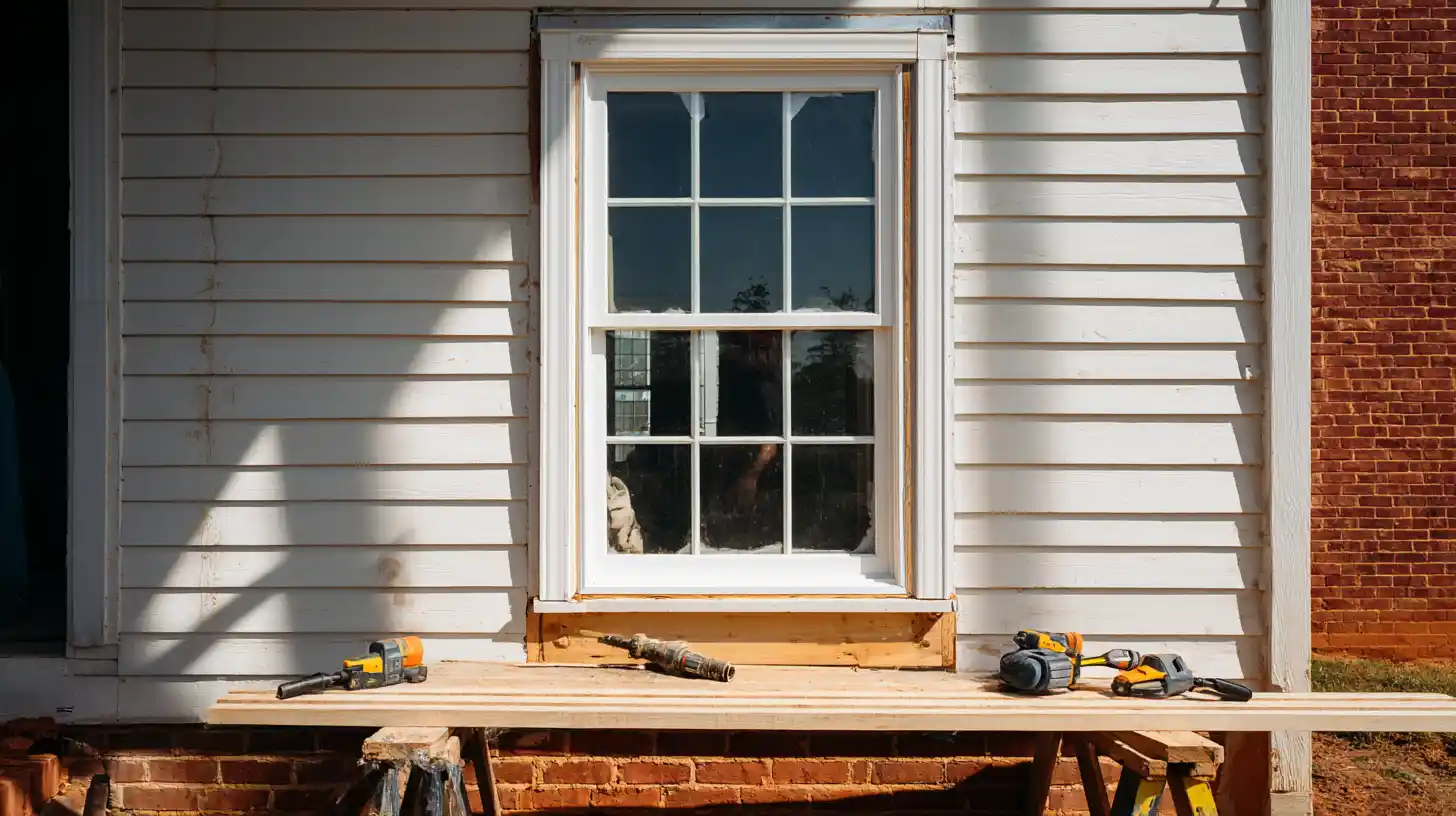
Window replacement requests increased dramatically for 2026, particularly for homes in older neighborhoods. Original windows from the 1980s and 1990s lose efficiency as seals fail, frames warp, and single-pane glass wastes energy. Modern double-pane windows with low-E coatings reduce energy loss by 30-40% compared to older single-pane units. The visual improvement matters too, as new windows dramatically update home appearance from both interior and exterior perspectives.
HVAC system upgrades with smart thermostat integration represent another major request category. Systems older than 15 years operate at significantly lower efficiency than modern units. A 20-year-old furnace might run at 65% efficiency while new systems achieve 95%+ efficiency ratings. The efficiency gap translates directly to monthly utility costs, with newer systems often cutting heating and cooling expenses by 25-35%.
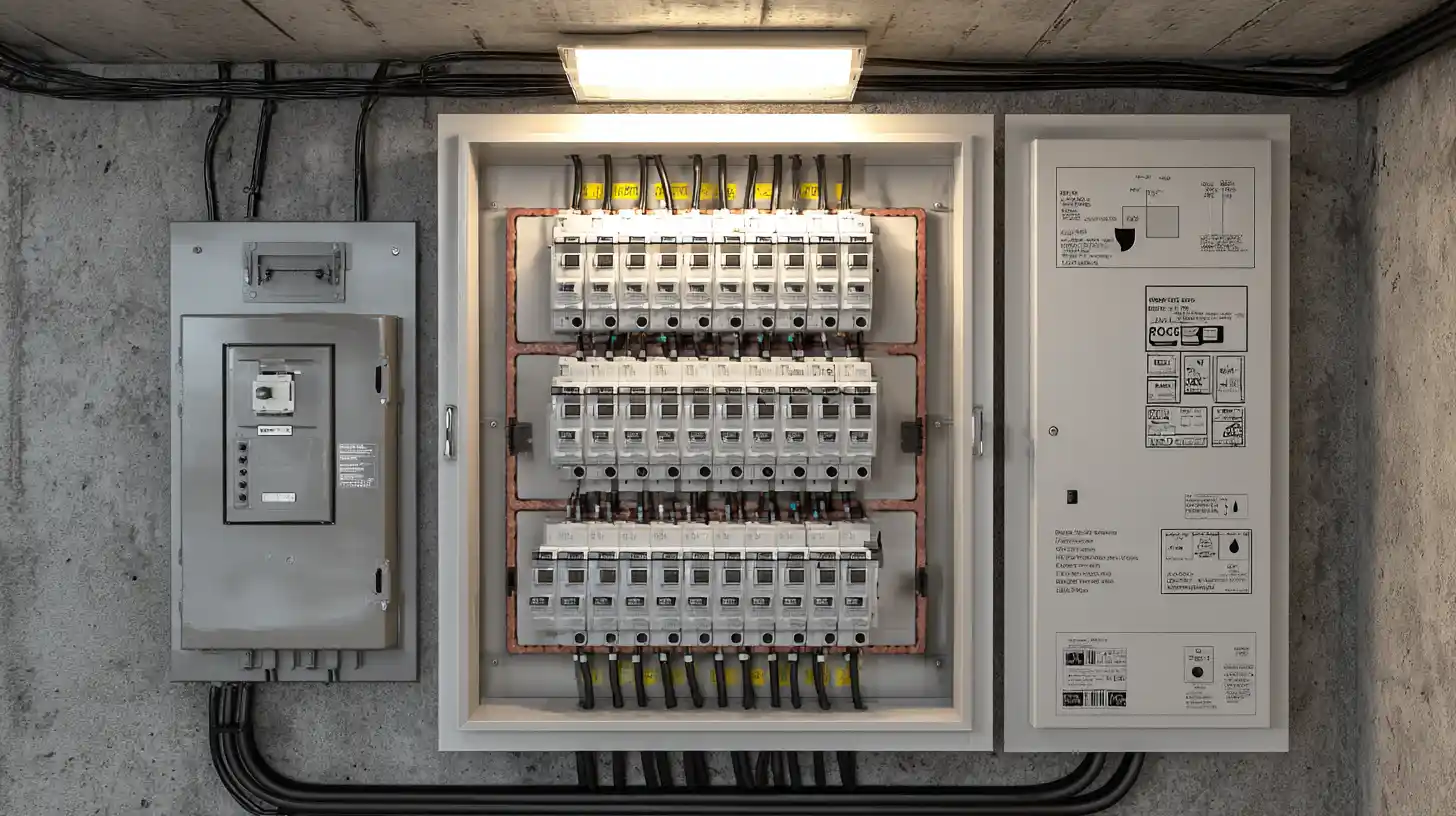
Electrical panel updates accompany many energy efficiency projects. Homes built before 2000 often have 100-amp or 150-amp panels inadequate for modern electrical demands. Adding EV chargers, upgrading HVAC systems, or installing whole-home battery backup requires 200-amp service. Panel upgrades also address safety concerns as older breakers wear out and fail to trip properly during overload conditions. Our electrical services include panel upgrades and whole-home electrical assessments.
LED lighting conversion throughout homes continues gaining momentum. The technology matured to the point where LED bulbs match or exceed incandescent quality while using 75-80% less electricity. Whole-home conversion costs $800-1,500 depending on fixture count but pays back within 2-3 years through reduced electricity consumption. Beyond energy savings, LED bulbs last 15-25 years compared to 1-2 years for incandescent, eliminating the constant bulb replacement cycle.
Smart Home Integration Projects
Whole-home automation systems moved from luxury novelty to practical upgrade over recent years. Concord homeowners increasingly request integrated systems controlling lighting, climate, security, and entertainment through unified interfaces. The appeal extends beyond convenience to practical benefits like energy management, security monitoring, and property protection during travel.
Security camera networks with professional monitoring rank among the most requested smart home additions. Systems combining exterior cameras, doorbell cameras, and interior cameras provide comprehensive property monitoring accessible from smartphones anywhere. Motion detection alerts homeowners to unusual activity immediately, while continuous recording provides documentation valuable for insurance claims or security incidents.
Smart locks and doorbell systems offer security and convenience benefits homeowners appreciate daily. Generate temporary access codes for contractors, service providers, or guests without distributing physical keys. Receive alerts when doors unlock, verify who’s at the door before answering, and maintain access logs showing exactly when entry occurred. These systems integrate with security cameras and whole-home automation for layered protection.
Leak detection and environmental monitoring systems prevent the catastrophic damage that occurs when problems develop in empty homes. Water sensors placed strategically throughout homes alert homeowners to leaks within minutes instead of days. Temperature sensors monitor for HVAC failures or freeze conditions. Humidity sensors detect conditions conducive to mold growth before damage becomes visible. The relatively modest $300-800 investment in monitoring equipment prevents $5,000-15,000 in water damage or freeze-related repairs.
Outdoor Living Space Expansions
Deck builds and renovations consistently rank as the most requested spring project across Concord. The mild climate makes outdoor spaces usable 8-9 months annually, creating strong incentive for comfortable outdoor living areas. Older decks showing wear from North Carolina’s humidity and temperature swings get replaced with modern composite materials requiring minimal maintenance.
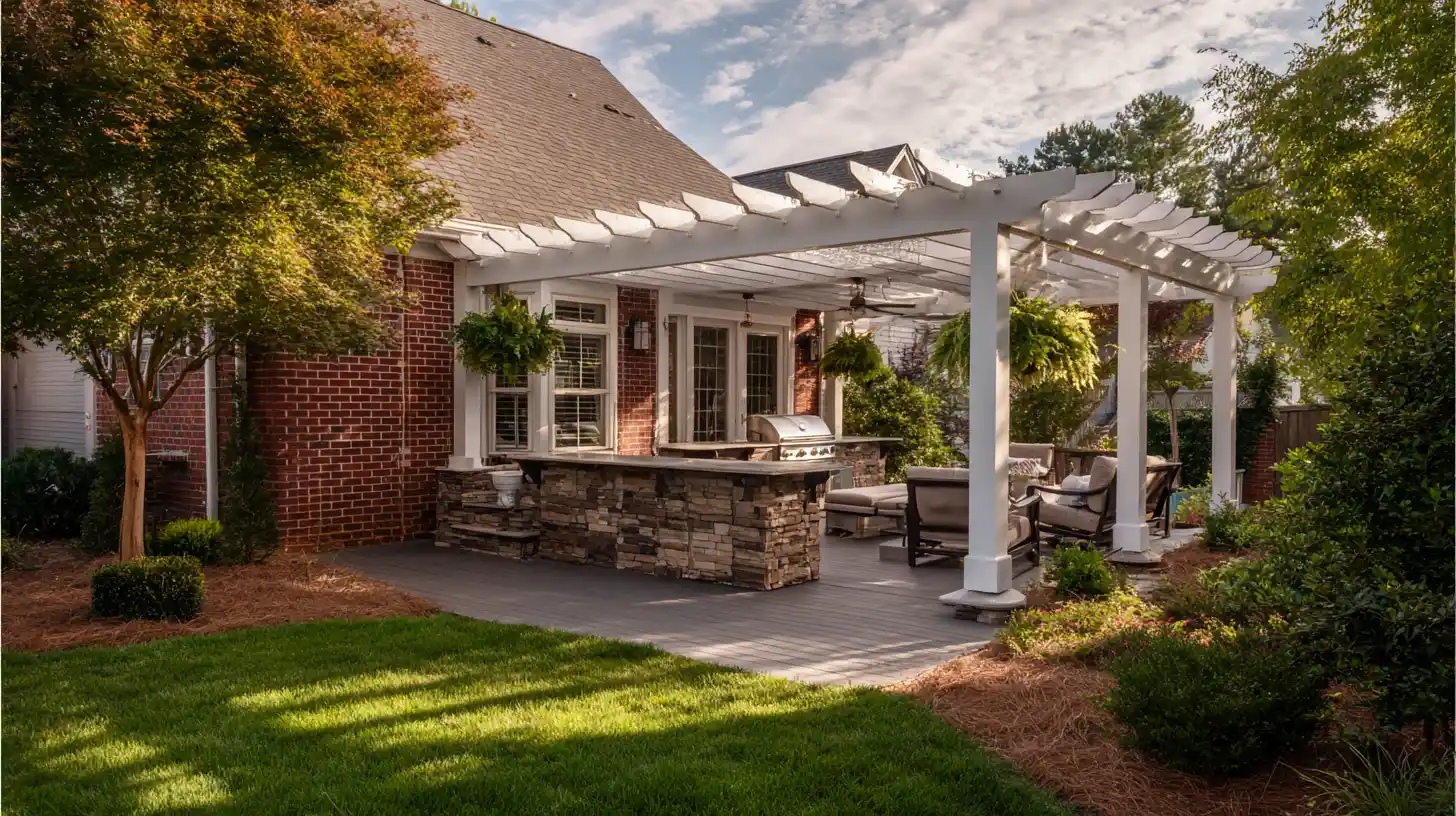
Covered patio additions extend outdoor season use significantly. Simple roof coverage over patio spaces provides shade during summer heat and protection during light rain, making outdoor areas functional in conditions that would otherwise drive everyone inside. Adding ceiling fans under covered patios creates comfortable spaces even during July and August heat.
Outdoor kitchen installations grew from rare luxury to common request over the past five years. Basic setups include built-in grills, prep counters, and storage. Elaborate versions add refrigerators, sinks with running water, pizza ovens, and full cooking capabilities. The investment makes sense for families who entertain regularly or simply prefer outdoor cooking during warm months. Material costs vary widely based on appliance quality and counter materials, but typical outdoor kitchens run $8,000-25,000 installed.
Fence replacement and privacy screening requests increased as newer neighborhoods matured and original fences reached end-of-life. Wood fences last 12-18 years in Concord’s climate before rot, warping, and structural issues require replacement. Vinyl and composite fencing options offer 25-30 year lifespans with virtually no maintenance beyond occasional cleaning. Privacy screening using combinations of fencing, strategic landscaping, and pergola structures creates backyard sanctuaries in neighborhoods where homes sit close together.
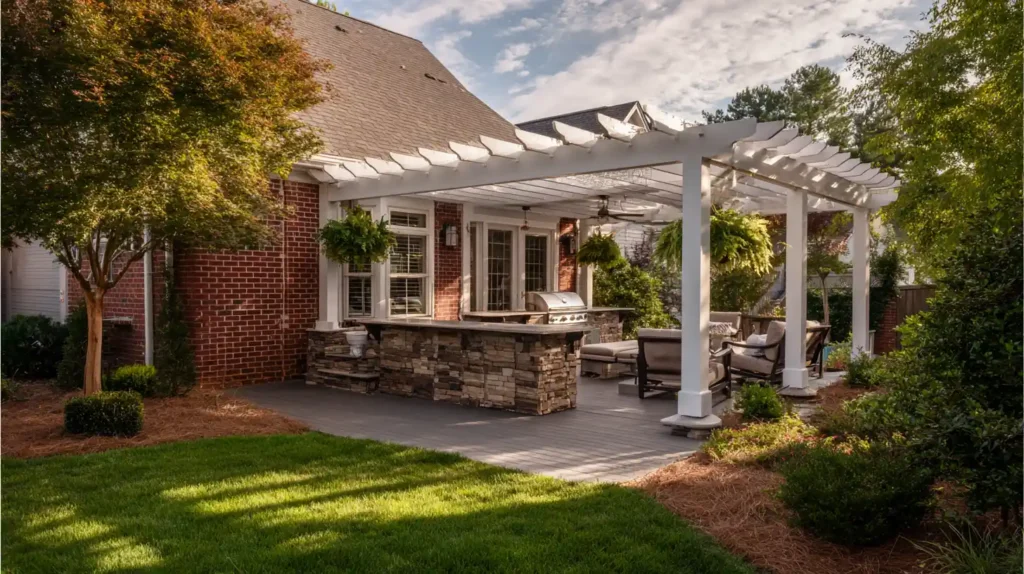
Pergola and shade structure demand reflects the need for sun protection that doesn’t require full roof construction. These structures provide defined outdoor spaces, support for climbing plants, and partial shade while maintaining the open-air feel many homeowners prefer. Custom pergolas tailored to specific yard layouts and architectural styles create focal points that enhance overall property appeal.
Projects That Pay Back at Resale
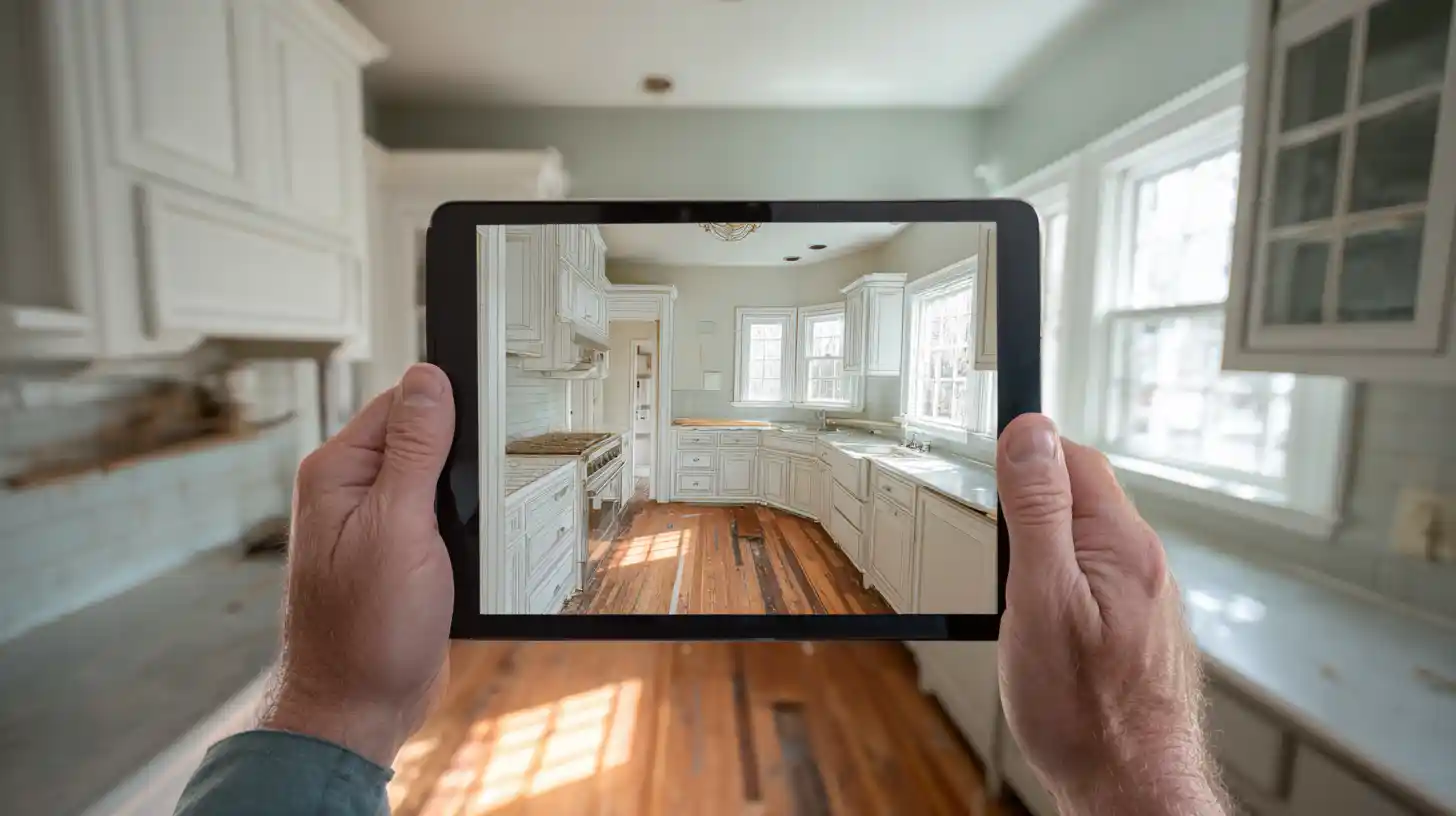
Minor kitchen updates deliver 70-80% ROI in Concord’s real estate market according to recent Cabarrus County sales data. Minor updates mean cabinet refacing or painting, new countertops, updated backsplashes, new fixtures and hardware, and appliance replacement. These updates refresh outdated kitchens without the cost and disruption of full remodels involving layout changes and structural work.
Bathroom remodels return 60-70% of investment at resale while dramatically improving daily quality of life. Updated bathrooms make homes show significantly better to potential buyers. Dated bathrooms with worn fixtures, old tile, and poor lighting create negative impressions that affect entire home perception. Fresh bathrooms with modern fixtures, quality tile work, improved lighting, and thoughtful layouts remove objections and help homes sell faster even when ROI doesn’t reach 100%.
Deck additions deliver 65-75% ROI depending on materials quality and design complexity. Composite decking returns slightly more than pressure-treated wood because buyers value low-maintenance features. Decks extending functional living space and creating defined outdoor entertainment areas appeal strongly to buyers, particularly in neighborhoods where outdoor living is expected rather than optional.
Entry door replacement achieves surprisingly high 75-85% ROI despite relatively modest cost. New entry doors dramatically improve curb appeal, enhance security, and upgrade energy efficiency. The visual impact of an attractive, well-fitted entry door affects first impressions substantially. Quality fiberglass or steel entry doors with updated hardware, proper weather sealing, and professional installation typically cost $1,500-3,500 but return most of that investment at resale.
Garage door replacement consistently delivers the highest ROI of common projects at 85-95% return. This seems disproportionate given the straightforward nature of garage door replacement, but the outsized impact on curb appeal explains the strong return. Garage doors represent massive visual elements on most home facades. Replacing dated, worn garage doors with modern carriage-house styles or contemporary designs transforms home appearance dramatically for relatively modest $2,000-4,500 investment.
Projects for Quality of Life vs Resale
Basement finishing delivers moderate ROI but massive lifestyle improvement for families needing additional living space. Finished basements add functional square footage for recreation rooms, home offices, guest suites, or teen hangout spaces. The investment rarely returns dollar-for-dollar at resale because appraisers discount below-grade square footage compared to main-level space, but the quality of life improvement while living in the home justifies the expense for many families.
Custom closet systems show low ROI but exceptionally high owner satisfaction. Professional closet organization systems maximize storage efficiency, create order in previously chaotic spaces, and make daily routines smoother. The $2,000-6,000 investment in master closet systems won’t return fully at resale, but homeowners consistently rate closet upgrades among their most appreciated improvements.
Sunroom additions face location-dependent ROI that varies dramatically across different neighborhoods. In areas where sunrooms are common and expected, they return 50-60% of investment. In neighborhoods where they’re rare, return drops to 30-40%. Despite moderate financial return, sunroom owners overwhelmingly report high satisfaction with the additional living space and connection to outdoor environments.
Pool installations typically break even or show slight loss in Concord’s real estate market. Pools appeal strongly to some buyers while deterring others concerned about maintenance, safety, or yard space consumption. The install cost of $35,000-70,000 for quality in-ground pools rarely returns fully at resale. However, families who use pools extensively during Concord’s long warm season often consider the lifestyle value worth the limited financial return.
Scheduling Strategy for Maximum Value
The ideal project timeline starts with January and February dedicated to planning, budgeting, contractor selection, and material ordering. Use these months to gather multiple quotes, check contractor references thoroughly, verify licensing and insurance, make material selections, and finalize contracts. Starting construction in March means this groundwork happens during months when weather doesn’t support exterior work anyway.
March through May represents prime time for exterior projects including deck construction, fence installation, siding replacement, and roofing work. Moderate temperatures make outdoor labor comfortable, and typically lower rainfall compared to summer months reduces weather delays. Completing exterior work before June heat arrives benefits both timeline and labor costs.
June through August makes sense for interior projects scheduled during peak heat. Bathroom renovations, kitchen remodels, flooring replacement, and interior painting happen comfortably indoors while extreme heat makes exterior work brutal. Air conditioning makes interior construction tolerable during months when outdoor work becomes dangerous for crews.
September and October provide the second premium window for exterior work before weather turns cold and unpredictable. Projects that couldn’t fit into spring schedules or needed warm weather curing for materials like stains or sealants work perfectly during fall months. The narrow window means booking fall work in late spring or early summer to secure spots. Our weatherproofing and seasonal prep services schedule best during these shoulder seasons.
Booking Multiple Projects Strategically
Bundling projects often delivers better pricing than scheduling work separately. When homeowners commit to multiple projects simultaneously, contractors can schedule efficiently, order materials in bulk, and reduce mobilization costs. A homeowner planning both deck construction and fence installation might save 10-15% by bundling compared to contracting separately.
Logical sequencing prevents conflicts and reduces total project disruption. Complete plumbing and electrical work before drywall installation. Finish drywall before painting. Install flooring after painting walls but before installing trim. Following proper sequences avoids the need to redo completed work, prevents damage, and reduces overall timeline. Our project management approach maps these dependencies upfront so work flows smoothly from start to finish.
Multi-project discounts reward homeowners who plan comprehensively rather than piecemeal. When we know we’ll be working at a property for extended periods across multiple projects, we structure pricing to reflect reduced overhead and efficient resource allocation. The discount percentage varies based on total project scope but typically ranges 8-12% off total costs compared to individual project pricing.
Realistic Cost Ranges for Concord Projects
Minor kitchen refreshes including cabinet painting, new hardware, updated countertops, and new fixtures typically run $8,000-15,000 depending on kitchen size and material selections. This level of update transforms kitchen appearance without the disruption and expense of full remodels.
Full kitchen remodels involving layout changes, new cabinets, appliances, countertops, flooring, lighting, and plumbing modifications range $25,000-50,000+ for most Concord homes. Custom cabinetry, high-end appliances, and premium countertop materials push costs toward the upper end or beyond. Standard quality materials and straightforward layouts stay toward the lower range.
Bathroom updates replacing fixtures, vanity, toilet, lighting, and adding fresh paint and accessories cost $6,000-12,000 for typical full bathrooms. Half bath updates run $3,500-6,000. These updates refresh outdated bathrooms without complete gut renovations.
Complete bathroom renovations with new tile, shower or tub replacement, flooring, lighting upgrades, and full fixture replacement run $15,000-30,000 depending on bathroom size and finish quality. Master bathrooms with separate shower and tub installations, double vanities, and premium tile work reach or exceed the upper range.
Deck construction costs $12,000-35,000 for typical Concord homes depending on size, materials, and design complexity. Basic pressure-treated wood decks stay toward the lower end. Large composite decks with multiple levels, built-in seating, and integrated lighting reach the upper range. Size matters tremendously as materials costs increase proportionally with square footage.
Fence installation for typical Concord lots runs $3,500-8,000 based on material selection and linear footage. Standard privacy fence using pressure-treated wood costs $20-28 per linear foot installed. Composite or vinyl fencing runs $35-50 per linear foot. Decorative aluminum fencing for front yards costs $30-40 per linear foot.
Interior painting for whole homes costs $4,500-9,000 depending on home size, ceiling height, and finish complexity. Two-story foyers, vaulted ceilings, and detailed trim work increase costs. Single-story homes with standard 8-foot ceilings and minimal trim detail stay toward the lower range.
Financing Options Worth Considering
Home equity lines of credit offer the most cost-effective financing for major renovations when homeowners have sufficient equity. Interest rates run 2-4% above prime rate, significantly lower than personal loans or credit cards. The interest may be tax-deductible when proceeds fund home improvements, though tax law changes require verification with qualified tax professionals.
Personal loans work for homeowners without sufficient equity or those preferring not to leverage home value. Interest rates typically run 7-12% depending on creditworthiness. The application process moves faster than home equity products, and funds become available within days rather than weeks. For projects under $25,000, personal loans often make practical sense despite higher interest rates.
Contractor payment plans vary by project scope and contractor policies. Many contractors offer net-30 or net-60 terms for qualified customers, allowing homeowners to defer payment while awaiting bonus payouts or other expected funds. Interest-free payment plans typically apply to smaller projects under $10,000, while larger projects might offer extended terms with modest interest charges.
Credit card rewards strategies work for homeowners who pay balances monthly and want to maximize points or cash back. Using rewards credit cards for material purchases generates 2-5% returns in points or cash back. For a $20,000 kitchen remodel, that’s $400-1,000 in rewards value. Only pursue this strategy if you’ll pay balances before interest charges negate the rewards value.
Where to Splurge vs Save
Invest in quality for structural work, roofing, HVAC, plumbing, and electrical systems. These foundational elements affect home functionality, safety, and longevity. Cutting corners on structural work creates problems that cost exponentially more to fix later. A properly installed roof lasts 25-30 years. A cheap roof job fails within 10-15 years and might cause interior water damage requiring extensive repairs.
Moderate spending makes sense for fixtures, hardware, and standard materials. Mid-range faucets from quality manufacturers perform reliably for 15-20 years at half the cost of ultra-premium options. Cabinet hardware in the $4-8 per pull range looks identical to $15-25 premium hardware once installed. Standard-grade hardwood flooring performs identically to premium grades for most residential applications.
Budget-friendly approaches work perfectly for paint, basic landscaping, and cosmetic updates. Quality paint performs the same regardless of where you buy it. A $35 gallon from the big box store covers and wears identically to the same product from specialty retailers charging $45. Basic landscaping mulch and plants cost 30-40% less at wholesale nurseries compared to retail garden centers without quality differences.
DIY opportunities exist for demolition work, painting, basic landscaping, and simple installations. Homeowners with basic skills and appropriate tools can strip cabinets before contractors install new ones, reducing labor costs by $500-1,000. Painting saves $2-3 per square foot compared to professional rates. Landscaping labor often exceeds materials costs, making DIY attractive for physically capable homeowners.
Professional requirements apply to structural modifications, electrical work, plumbing, HVAC, roofing, and complex installations. These areas require licensing, experience, and proper tools. Attempting DIY electrical or plumbing work creates safety hazards and code violations that cause problems during home sales. The money saved attempting DIY for these specialties often gets spent twice when professionals must redo improper work. Our comprehensive repair services handle projects requiring professional expertise and proper licensing.
Your January Action Plan
Week one and two focus on identifying priority projects and establishing rough budgets. Walk through your home documenting everything that needs attention. Prioritize projects based on urgency, lifestyle impact, and financial return. Assign ballpark budget numbers to each project using the cost ranges provided. Total everything to see whether the full wishlist fits this year’s budget or requires phasing across multiple years.
Week three involves gathering quotes from qualified contractors. Contact at least three contractors for each major project. Provide identical information to each so quotes remain comparable. Verify that quoted contractors hold proper North Carolina licensing and current liability insurance. Check references by calling previous customers and asking about timeline accuracy, communication quality, and overall satisfaction.
Week four centers on decisions, contract signing, and material ordering. Compare quotes not just on price but on scope clarity, timeline commitments, payment terms, and warranty coverage. Sign contracts with chosen contractors and provide deposits per agreed terms. Order long-lead materials immediately so they arrive before scheduled construction start dates.
February serves as pre-construction prep and scheduling confirmation month. Handle any remaining decisions about finishes, colors, or options. Confirm construction start dates with contractors. Prepare work areas by clearing furniture, protecting belongings, and establishing temporary living arrangements for projects that disrupt daily routines. Set up communication protocols so you stay informed of progress and can address questions promptly.
Questions to Ask Every Contractor
Licensing and insurance verification protects homeowners from liability and confirms professional credentials. North Carolina requires contractors performing work over $30,000 to hold state licensing. Request license numbers and verify them through the NC Licensing Board for General Contractors website. Request current insurance certificates showing liability coverage and workers compensation if the contractor has employees.
Timeline from start to substantial completion tells you when to expect finished projects. Vague answers like “it depends” or “a few weeks” signal problems. Professional contractors provide specific timelines: “This deck build requires 3-4 weeks from start to completion assuming normal weather. We’ll work Monday through Friday, 7am to 4pm.” Specificity demonstrates experience and planning.
Payment schedules and terms should protect both parties fairly. Standard construction payment terms involve deposits of 10-25%, progress payments tied to completion milestones, and final payment upon completion. Avoid contractors demanding 50% or more upfront. Large upfront payments create risk with no recourse if contractors abandon projects or perform poorly.
Warranty coverage and duration vary significantly between contractors. Quality contractors warranty workmanship for 1-2 years minimum and coordinate manufacturer warranties on materials. Understand what’s covered, how long coverage lasts, and the process for addressing warranty claims. Written warranty terms in contracts provide enforceability if problems develop.
References from recent similar projects in Concord let you verify contractor claims by speaking with actual customers. Request three references from projects completed within the past year that match your planned work scope. Call references and ask whether projects finished on time, stayed within budget, and met quality expectations. Ask if they’d hire the contractor again.
Change order processes establish how unexpected issues or requested modifications get handled. Quality contractors document all changes in writing with associated costs before proceeding. This protects you from surprise charges while ensuring contractors get paid fairly for additional work. Verbal change agreements create disputes. Written processes prevent misunderstandings.
Red Flags That Signal Problems
Pressure for large upfront deposits suggests cash flow problems or potential fraud. Professional established contractors don’t need 50% or more upfront because they have operational capital and credit with suppliers. Large upfront demands often signal contractors living project-to-project or worse, scammers collecting deposits with no intention of performing work.
No physical business address or local references raises serious concerns. Legitimate contractors maintain business locations, even if modest. Contractors with only P.O. boxes or cell phones who can’t provide verifiable local references should be avoided. Established businesses have track records and reputations to maintain. Fly-by-night operators disappear when problems arise.
Unusually low bids 30%+ below competition warrant deep scrutiny. Either the low bidder misunderstood scope, plans to substitute inferior materials, or won’t pull required permits. Sometimes low bidders intend to add costs through change orders after starting work and getting homeowners committed. Quality work costs relatively consistent amounts. Extreme outliers in either direction signal issues.
Resistance to written contracts indicates lack of professionalism or worse. Professional contractors document all work in detailed contracts protecting both parties. Contractors pushing verbal agreements or handshake deals either lack professionalism or plan to avoid accountability. Written contracts provide protection and recourse if disputes arise. Never proceed without documented agreements.
No insurance verification provided means accepting liability for injuries or property damage. If contractors or their workers get injured on your property and they lack insurance, your homeowners insurance becomes liable. Property damage caused by uninsured contractors becomes your financial responsibility. Always verify insurance before allowing anyone to work on your property.
Vague timelines and specifications make holding contractors accountable impossible. Professional contractors provide detailed scopes describing exactly what work includes, what materials will be used, when work starts and finishes, and what costs cover. Vague contracts create disputes because parties have different expectations. Specificity prevents misunderstandings and provides clear accountability. Our custom project services always include detailed written scopes and transparent timelines.
Ready to plan your 2026 home improvements? Concord’s Handyman Crew provides free project consultations and detailed estimates for all the upgrades Concord homeowners are requesting this year. Our team helps you prioritize projects, establish realistic budgets, and schedule work to maximize value while minimizing disruption. Visit our contact page to schedule your planning consultation this month and secure preferred spring scheduling before slots fill.
Learn more about our crew and why Concord families trust us with their most important home investments. Browse our complete services page to see everything we offer for your 2026 home improvement plans.